Why Gamers Love Anime and Manga

Ask a group of serious gamers about their media habits and a consistent pattern emerges. The same person playing Elden Ring has a tab open for Berserk. The player deep in Final Fantasy XVI has a Crunchyroll subscription. The competitive Valorant player has a wall scroll and a shelf of manga volumes. Gaming and anime exist in the same cultural ecosystem, and the overlap is not coincidental.

The connection between gaming and anime runs deeper than shared aesthetics or Japanese cultural origin. It is structural. Both mediums prioritize world-building at a scale other entertainment forms rarely attempt. Both reward invested, attentive audiences willing to follow complex narratives across dozens of hours. Both have built global communities around niche interests that mainstream entertainment ignored for decades before the rest of the world caught up. Understanding why gamers specifically gravitate toward anime and manga explains something important about what these audiences are actually looking for and why no other media combination satisfies it the same way.

The Scale of the Overlap Between Gaming and Anime Audiences

The anecdotal observation that gamers love anime is backed by substantial market data. The global anime market was valued at approximately 31.2 billion dollars in 2023 and is projected to surpass 60 billion dollars by 2030. The fastest-growing consumer segment within that market is the 18 to 34 age bracket, which is also the core demographic for the global gaming market valued at 184 billion dollars in 2023.

Surveys of anime viewers consistently place gaming as the top companion interest within the demographic. A 2022 audience research study found that 72 percent of self-identified anime fans also identified as regular video game players, making it the strongest cross-media overlap in entertainment audience research. The relationship is not one-directional either. Platform-specific surveys by Steam, PlayStation Network and Xbox have found that anime-tagged content consistently ranks among the most-engaged categories on their platforms, with anime-styled games performing above average on completion rates and review volume.

The commercial response to this overlap is measurable. Games with explicit anime aesthetics, including Genshin Impact, which has earned over 4.5 billion dollars globally since its 2020 launch, Blue Protocol, Honkai: Star Rail and Persona 5, have built massive audiences that would be difficult to explain without the pre-existing crossover between gaming and anime fanbases.

Shared DNA: Why Gaming and Anime Tell Stories the Same Way

The deepest connection between gaming and anime is narrative structure. Both mediums evolved independently of Hollywood’s dominant three-act storytelling model and developed their own conventions for long-form, world-embedded narratives.

Anime tells stories across cours, 13-episode arcs, with character development distributed across hundreds of episodes for series like Naruto, One Piece and Dragon Ball. The audience commitment required is comparable to the investment a player makes in a 60 to 100-hour RPG. Both formats train their audiences to find meaning in small moments of character development, to track emotional arcs across long spans and to maintain investment in stories that reward patience rather than immediate gratification.

This is fundamentally different from the narrative expectations most film and television creates. A two-hour film must resolve its central conflict within that timeframe. A ten-episode prestige television season must conclude its narrative arc. Anime and long-form manga, like JRPGs and open-world games, operate on the assumption that the audience wants to live inside the story for an extended period. The payoff is proportional to the investment.

The structural parallel produces audiences with nearly identical media expectations. A player who has completed Xenoblade Chronicles 3 has spent 80 to 100 hours with a story that builds its emotional payoff across that entire span. That player is primed to appreciate the long-form payoff structure of Fullmetal Alchemist: Brotherhood. A reader who followed Berserk for years understands dark fantasy world-building in a way that prepares them for FromSoftware’s approach to lore delivery.

The Aesthetic Overlap That Feels Immediately Familiar

Gaming has drawn from anime visual conventions since the medium’s early commercial period, and the influence has only deepened over time. Understanding where the aesthetic overlap is strongest explains why anime fans moving into gaming feel at home from the first screen.

JRPG character design borrows directly from manga visual conventions. Large expressive eyes, stylized hair, clearly readable silhouettes and physical designs that communicate character personality before a word of dialogue is spoken are manga conventions that Japanese game developers incorporated from the medium’s earliest days. Cloud Strife’s design in Final Fantasy VII is legible as a JRPG protagonist because it follows a visual grammar established in shonen manga. Lightning in Final Fantasy XIII, Protagonist in Persona 5 and virtually every character in Tales of Arise read as anime characters because they were designed using the same visual language.

The influence extends beyond character design into environmental aesthetics, UI design and storytelling technique. Persona 5’s UI design is one of the most praised in gaming history precisely because it applies manga visual energy to interface design in a way no other game had done before. The animated sequences in modern JRPGs are frequently produced by anime studios in animation styles indistinguishable from broadcast anime.

Anime Games That Built Bridges Between Both Communities

Certain games function as cultural bridges that convert anime fans into gamers and gamers into anime viewers. These titles do not merely borrow aesthetics. They are built with the full structural logic of anime storytelling applied to game design.

Game Anime Connection Why It Works for Both Audiences
Persona 5 Royal Anime adaptation by CloverWorks JRPG mechanics wrapped in anime social structure and visual design
Dragon Ball FighterZ Direct adaptation of Akira Toriyama’s work Frame-perfect manga panel aesthetics in a fighting game
Attack on Titan Tactics / Fan Games Massive global franchise Translates the manga’s tension into playable mechanics
Demon Slayer: Kimetsu no Yaiba – Hinokami Chronicles Direct anime game Captures the anime’s visual spectacle in action combat
Genshin Impact Original anime-styled world Full anime production values in free-to-play open world
Honkai: Star Rail Original anime-styled RPG Turn-based RPG with anime storytelling and production values
Nier: Automata Anime-adjacent visual novel elements Philosophical depth matching the best anime narratives
Bleach: Brave Souls Long-running franchise game Sustained engagement across both anime release and game content

The games in this table generate disproportionate community activity because they serve two audiences simultaneously. Anime fans who pick up Demon Slayer’s game already have deep emotional investment in the characters before the first battle. Gamers who discover the game first frequently begin watching the anime series. The crossover is commercially valuable and culturally generative.

World-Building at a Depth Other Media Cannot Match

The specific quality that gamers and anime fans share as audiences is tolerance for, and enthusiasm about, elaborate world-building. Both mediums have built their most passionate communities around fictional universes with geography, history, internal logic and lore that rewards deep exploration.

Hunter x Hunter’s Nen system is described with the specificity of a game’s ability rules. Naruto’s chakra and jutsu classifications are as internally consistent as a well-designed RPG magic system. Attack on Titan’s geopolitical world-building has the density of a strategy game’s political simulation. This is not coincidental. Manga and anime creators frequently describe games as influences, and the structural logic of how game designers build rule-consistent worlds clearly informs how manga artists construct their fictional systems.

From the gaming side, FromSoftware’s approach to lore delivery, through item descriptions, environmental storytelling and oblique NPC dialogue, requires exactly the same active interpretive work that reading Evangelion or understanding Demon Slayer’s breathing forms requires. The audience willing to do that interpretive work is the audience that follows both mediums deeply.

This is the essential insight: gamers who love anime and manga are not simply consumers who enjoy entertainment. They are audiences with a specific relationship to fictional worlds where the depth of engagement is itself the reward. Casual entertainment provides story as a finished product. Anime, manga and the best games provide world-building as raw material that the engaged audience constructs meaning from.

The Community Layer: How Gaming and Anime Fandoms Reinforced Each Other

Fandom infrastructure for gaming and anime developed in parallel and cross-pollinated constantly. Early internet forums, fan translation communities, game modification scenes and anime subtitling groups often had direct membership overlap because the skills and interests required were complementary.

Fan art communities on platforms like DeviantArt in the early 2000s and later Pixiv, Twitter and Instagram have always treated gaming and anime characters as interchangeable subjects within the same creative universe. An artist who draws fan art of Link from The Legend of Zelda operates in the same creative space as one who draws Naruto or Rem from Re:Zero, and the audiences who consume that content are largely the same people.

Convention culture reinforces the overlap physically. Anime conventions including Anime Expo, Otakon and MCM London have always had significant gaming content alongside anime programming. Gaming conventions including PAX have incorporated anime programming as standard. The convention audience is demonstrably the same community gathered under different venue signs.

Discord servers, subreddits and online communities built around specific anime series frequently include gaming channels, and vice versa. The community infrastructure has merged to the point where separating gaming fandom from anime fandom as distinct populations is increasingly difficult to justify empirically.

The Japanese Development Connection and Its Influence on Gamer Taste

Japanese game developers and anime studios share cultural context, aesthetic influences and, frequently, direct personnel connections. Understanding the Japanese cultural pipeline helps explain why anime aesthetics feel native to gaming rather than imported.

Square Enix, Bandai Namco, Capcom, Atlus, Sega and Nintendo all produce games embedded in the same visual culture that produces anime and manga. Developers at these studios grew up reading manga and watching anime the same way Western film developers grew up watching Hollywood films. The aesthetic choices in Japanese game design are not decisions to appeal to anime fans. They are the natural output of creators working within that visual culture.

The result is a feedback loop. Japanese developers create games using visual and narrative conventions from anime and manga because those are the conventions they think in. Players raised on those games develop tastes calibrated to those conventions. When they encounter anime and manga directly, the visual and narrative language is already familiar. The pipeline runs both ways.

Western developers have absorbed this influence increasingly over time. Games like Hades, Transistor, Disco Elysium and Hollow Knight show clear visual influence from Japanese animation and manga aesthetics while representing Western development teams. The aesthetic cross-pollination is no longer geographically contained.

Why Anime-Styled Games Perform Better Than the Industry Expected

The commercial success of anime-styled games in Western markets surprised publishers who had historically treated anime aesthetics as a niche market limitation. The data from the past decade has consistently contradicted that assumption.

Persona 5 sold over 7 million copies globally, with the Royal edition pushing total franchise sales to over 10 million. This is a JRPG with deliberately anime visual style, Japanese voice acting as the preferred option for most Western players and a storytelling structure derived directly from manga conventions. Its success was not niche. It competed directly with Western AAA releases in reviews and Game of the Year discussions.

Genshin Impact’s 4.5 billion dollars in revenue represents performance that most AAA Western games with realistic visual styles do not approach. The game’s anime aesthetics were predicted by some analysts to limit its Western appeal. The opposite occurred. The visual style was part of the attraction for an audience whose gaming tastes had been formed partly by years of anime consumption.

Honkai: Star Rail reached 1 billion dollars in revenue within its first six months of operation in 2023. These numbers demonstrate that the overlap between gaming audiences and anime audiences represents a commercially significant market that responds strongly to content that serves both interests simultaneously.

Frequently Asked Questions About Why Gamers Love Anime and Manga

Why do so many gamers watch anime specifically?

The narrative structure of anime matches what dedicated gamers are trained to appreciate. Long-form storytelling that builds emotional payoff across dozens of hours, complex world-building that rewards attentive engagement and character development distributed across extended time are qualities both mediums share. A player who has invested 80 hours in a JRPG has built exactly the patience and interpretive skills that make long-running anime series satisfying. The audience fit is structural, not superficial.

Are gaming and anime audiences actually the same people?

Research consistently shows significant overlap. Survey data places 70 percent or more of anime viewers as regular gamers, and platform data from major gaming services shows anime-styled content performing above average on engagement metrics. The communities share infrastructure, convention spaces, online forums and creative communities. While the overlap is not total, the audiences share demographic characteristics, media consumption habits and cultural interests to a degree that makes the crossover unsurprising.

What are the best anime for gamers who want to start watching?

Gamers tend to connect most immediately with anime that share genre territory with games they already enjoy. Action RPG fans often respond well to Fullmetal Alchemist: Brotherhood for its world-building depth and character writing. Souls-like players frequently connect with Berserk for its dark fantasy aesthetics. Strategy game players often appreciate Code Geass and Death Note for their tactical narrative logic. JRPG fans are naturally suited to Hunter x Hunter’s system-driven approach to power and conflict. The entry point works best when it matches the game genre the person already loves.

Do game developers intentionally design games to appeal to anime fans?

Japanese developers work within a visual and narrative culture that includes both mediums naturally. Western developers who incorporate anime aesthetics are increasingly making deliberate choices to serve an audience they understand as both gamers and anime viewers. Publishers have become more willing to greenlight anime-styled games for Western markets after the commercial performance of Persona 5, Genshin Impact and Honkai: Star Rail demonstrated that the audience size justifies the investment.

Why does manga specifically appeal to gamers compared to Western comics?

Manga’s demographic structure produces content that directly parallels gaming genres. Shonen manga’s emphasis on power systems, skill development, competitive growth and group dynamics mirrors JRPG party systems and character progression mechanics. Seinen manga’s darker, more complex storytelling parallels the narrative ambitions of mature-rated games. The creator-driven, long-form narrative structure of manga also provides the kind of sustained story investment that gamers accustomed to 60 to 100-hour RPGs find satisfying in a way that Western superhero comics’ character-instead-of-story continuity does not always provide.

Is the gaming and anime crossover growing or declining in 2025?

Every available metric indicates the crossover is growing. The global anime market continues expanding at approximately 9 percent annually. Anime-styled games have produced some of the highest-revenue titles in mobile and PC gaming over the past five years. Convention attendance for events serving both communities has recovered strongly post-pandemic and continues to grow. The demographics of both audiences skew young, meaning the base is continuously renewed by new fans discovering both mediums through streaming platforms, social media recommendation algorithms and increasingly accessible digital storefronts. The relationship between gaming and anime is not a passing trend. It is a structural feature of how both mediums have developed their global audiences.

Two Worlds Built for the Same Kind of Fan

Gaming and anime are not separate hobbies that happen to share some fans. They are parallel creative traditions that developed the same relationship with their audiences: invest deeply, pay attention to the details and the world opens up in ways casual engagement never produces.

The gamers who love anime are not divided between two hobbies. They are unified by a single relationship with fictional worlds that reward serious engagement. Elden Ring and Berserk occupy the same cultural space in that audience’s life because they both provide the same fundamental experience of a world built with enough depth to be worth inhabiting for hundreds of hours.

jornaicas covers the games, anime, manga and culture that connect these communities. Explore the site for reviews, recommendations and analysis of everything worth your time across gaming and anime.
The Difference Between Manga and Comics

Pick up a copy of One Piece and a copy of Batman: Year One and you are holding two objects that look superficially similar but operate according to almost entirely different creative, cultural and commercial logics. Both tell stories through sequential panels and dialogue. Beyond that, the parallels thin out quickly.

The distinction between manga and comics is not just about geography, though geography matters. It is about reading direction, visual grammar, publication format, genre culture, demographic structure and the relationship between creator and audience. Understanding those differences makes you a better reader of both formats and gives you a clearer picture of why each produces the kinds of stories it does. This article covers every meaningful distinction between manga and comics, with the depth the question actually deserves.

What Manga Is and Where It Comes From

Manga refers to Japanese comics with a history stretching back to the 12th century, though the modern manga format emerged in the post-World War II period. The artist most credited with establishing modern manga storytelling conventions is Osamu Tezuka, whose work in the late 1940s and 1950s introduced cinematic panel compositions, expressive character design and sustained narrative serialization to Japanese comics.

The word manga itself translates roughly to “whimsical pictures” and was coined by the artist Hokusai in the early 19th century to describe his own illustrated sketchbooks. The term attached itself to the comics format over the following century as the medium developed its distinctive conventions.

Modern manga is a commercial publishing phenomenon of significant scale. The global manga market was valued at approximately 12.2 billion dollars in 2023 and is projected to reach 43.7 billion dollars by 2033. Japan remains the dominant production market, but manga is now read in over 40 countries with substantial localized markets in France, the United States, Germany and across Southeast Asia.

What Comics Are and How the Medium Developed

Western comics, as a commercial medium, developed primarily in the United States during the early 20th century through newspaper comic strips and later through the comic book format that emerged in the 1930s. The superhero genre, introduced by Superman in Action Comics Number 1 in 1938, became the defining commercial category of American comics publishing and remains its most visible output globally.

European comics, particularly the Franco-Belgian tradition known as bande dessinée, developed alongside American comics with distinct conventions, a stronger emphasis on artistic detail and a broader genre spread that never became dominated by superhero narratives. Tintin, Asterix and The Adventures of Lucky Luke are among the most commercially successful bande dessinée series.

The term comics, as used in most international contexts, primarily refers to American superhero and alternative comics publishing. This article uses that definition while acknowledging that European traditions exist and share some but not all characteristics with their American counterparts.

Reading Direction: The Most Immediately Visible Difference

The first thing a new manga reader encounters and the difference most commonly mentioned is reading direction. Manga reads from right to left, both in terms of panel order on the page and in terms of dialogue and narration within panels. This is not a stylistic choice by individual creators. It reflects the right-to-left reading direction of the Japanese written language.

Western comics read from left to right, consistent with English and most European written languages.

When manga is localized for Western markets, publishers face a choice between two approaches:

Flipped translation: The artwork is mirrored horizontally so pages read left to right. This was the dominant approach for early manga localization in the 1990s. It is now largely abandoned because mirroring creates visual inconsistencies, breaks the directional logic of action sequences and, most critically, reverses text and logos embedded in artwork.

Unflipped translation: The manga is published in its original right-to-left format with a note inside the cover explaining the reading direction. This is now the industry standard. Most readers adapt to right-to-left reading within a chapter or two, and the approach preserves the artistic integrity of the original work.

American comics published in Japan face the same decision in reverse and are typically reformatted to right-to-left reading.

Visual Style and Character Design Conventions

The visual language of manga and Western comics differs significantly in character design philosophy, panel composition and the use of visual shorthand for emotional states.

Manga character design conventions frequently include large expressive eyes, simplified facial features for the protagonist (a technique Tezuka borrowed from Disney animation) and highly detailed backgrounds that contrast with the relative simplicity of character linework. The simplified protagonist face is understood in comics theory as creating reader identification. A simple face can be projected onto. A highly detailed, realistic face belongs to a specific person.

Western superhero comics conventions emphasize physical realism and anatomical detail in character depiction. Figures are typically drawn with proportions that exaggerate physical fitness. Faces are more individualistically detailed. The visual focus on physical power reflects the genre’s thematic preoccupations.

Manga uses a specific vocabulary of visual shorthand that Western comics do not employ:

  • Sweat drops to indicate anxiety or embarrassment
  • Speed lines extending from characters rather than from backgrounds to indicate explosive motion
  • Visual sound effects integrated into the artwork as design elements rather than placed in separate boxes
  • Chibi style (sudden shift to exaggerated, childlike proportions) to punctuate comedic moments
  • Nosebleeds as a conventional indicator of attraction or excitement
Visual Element Manga Convention Western Comics Convention
Character eyes Often large, expressive, simplified More anatomically proportioned
Background detail Highly detailed against simpler characters Consistent detail level throughout
Sound effects Integrated into artwork as design Typically placed in separate lettered boxes
Emotional shorthand Dedicated visual symbols (sweat drops, speed lines) Primarily through facial expression and body language
Panel borders Often thin or absent, flowing compositions Typically defined borders, grid structures common
Black and white vs color Primarily black and white Primarily full color

Publication Format: Serialization vs Single Issues

The commercial structure of manga and comics publishing differs substantially and has significant effects on storytelling pace, story length and the relationship between creator and reader.

Manga is primarily published through weekly or monthly anthology magazines. A single issue of Weekly Shonen Jump, Japan’s most prominent manga anthology, contains chapters from approximately 20 different ongoing manga series. Each chapter runs 15 to 20 pages. A creator producing a weekly manga delivers roughly 20 pages per week for as long as the series runs.

Serialized manga chapters are later collected into tankōbon volumes, typically containing eight to ten chapters and running 180 to 200 pages. These volumes are the primary format for international distribution. One Piece, the best-selling manga series of all time with over 530 million copies of its collected volumes sold globally, has published over 100 volumes since its debut in 1997.

American comics publishing has historically centered on the monthly single issue, a pamphlet-format periodical running 22 to 32 pages of story content. Single issues are later collected into trade paperbacks. The direct market through comic book specialty stores has been the primary distribution channel since the 1980s.

Format Characteristic Manga Western Comics
Primary serialization vehicle Weekly or monthly anthology magazine Monthly single issue or OGN
Chapter length 15 to 20 pages 22 to 32 pages
Collection format Tankōbon (180 to 200 pages) Trade paperback (varies widely)
Color standard Black and white for serialization Full color standard
Creator ownership Creator typically retains copyright Publisher ownership historically dominant
Story length Can run decades (Golgo 13: 50+ years) Runs can continue indefinitely with rotating creative teams
Reading price point Monthly volume typically 5 to 8 dollars Single issue typically 4 to 7 dollars

Genre Structure and Demographic Targeting

One of the most structurally distinctive aspects of manga publishing is its explicit demographic categorization. Japanese manga magazines are published for defined audience demographics and the content within them is tailored accordingly.

The primary manga demographic categories are:

Shonen: Targeted at boys roughly aged 8 to 18. Emphasizes action, friendship, personal growth and competition. Dragon Ball, Naruto, My Hero Academia and One Piece are all shonen titles published in shonen magazines. Weekly Shonen Jump is the best-known shonen magazine globally.

Shojo: Targeted at girls roughly aged 8 to 18. Emphasizes relationships, emotional development, interpersonal drama and romance. Sailor Moon and Fruits Basket are among the most internationally recognized shojo titles.

Seinen: Targeted at adult men. Content is broader, often darker, more complex and more explicit than shonen. Berserk, Vinland Saga and Vagabond are seinen titles. The visual style tends toward greater realism and anatomical detail.

Josei: Targeted at adult women. Emphasizes romantic relationships, slice-of-life drama and character interiority with more nuance than shojo. Less internationally prominent than shonen and seinen but a significant domestic market in Japan.

Kodomomuke: Targeted at young children. Simpler visual style, educational or prosocial themes. Doraemon is the most globally recognized kodomomuke title.

Western comics publishing does not use an equivalent demographic categorization system. The superhero genre has historically targeted a general adult male audience by default, with imprints like DC’s Vertigo and Marvel’s MAX providing explicitly adult-oriented content. The absence of a structured demographic system has contributed to the superhero genre’s dominance because the industry never developed parallel infrastructure for other demographic audiences.

Creator Relationships and Authorship

Manga and Western superhero comics have fundamentally different relationships between creators and their characters.

In manga, a series is almost always the work of a single creator or a small creative team (typically a mangaka and an assistant team). The creator owns the story’s direction and the characters’ development throughout the series. When a manga series ends, it ends because the creator concluded it. Bleach ended because Tite Kubo ended it. One Piece will end when Eiichiro Oda concludes it.

American superhero publishing operates on a work-for-hire model where the characters are intellectual property owned by the publisher. Batman, Spider-Man and Superman have been written and drawn by hundreds of different creative teams across their publishing histories. A comics creator working on Batman is a temporary steward of the character, not its author.

This distinction has significant narrative implications. A manga series has a coherent authorial vision because a single creator is responsible for it from beginning to end. American superhero runs have an episodic, relay-race quality where each creative team contributes a chapter to an ongoing character history with no defined conclusion.

Neither approach is objectively superior. Work-for-hire publishing produces characters with decades of accumulated mythology and infinite reinterpretability. Creator-owned manga produces narratives with genuine beginnings, middles and ends that can be read as complete works.

The Global Manga Market Versus Western Comics Market

The scale difference between the global manga market and the Western comics direct market is significant and reflects broader trends in each medium’s commercial health.

The manga market in the United States alone reached 380.2 million dollars in 2022, a 16 percent increase over 2021 and the largest recorded annual sales figure for manga in American market history. The American comic book direct market (superhero comics through specialty stores) was estimated at approximately 1.29 billion dollars in 2022 when including graphic novels, but growth has been more modest and concentrated in graphic novel format rather than single issues.

Globally, manga’s commercial position is considerably stronger. French manga sales account for a significant share of the European comics market. The global manhwa (Korean comics) market, which shares many conventions with manga, adds further scale to the Asian comics industry.

The demographic reach of manga is also broader. Manga is purchased and read by people across ages 10 to 60 in significant numbers because the demographic categorization system produces content genuinely suited to diverse audiences. Western superhero comics have struggled to expand beyond their traditional core demographic despite sustained efforts.

Frequently Asked Questions About Manga and Comics

Is manga considered a type of comic?

Yes, manga is a form of comic in the broad sense that it tells stories through sequential images and text. The distinction is that comics as a term in most English-language contexts refers specifically to Western, primarily American, sequential art publishing. Manga is the Japanese-origin subset of the broader medium with distinct conventions, publishing structures and cultural contexts. Calling manga comics is technically accurate but loses meaningful distinctions the same way calling every car a vehicle is accurate but loses useful information.

Why does manga read right to left?

Manga reads right to left because the Japanese written language reads right to left and top to bottom. The panel layout, dialogue balloon placement and reading sequence of manga pages all reflect the natural reading direction of Japanese text. When manga is localized for Western markets, publishers now preserve the original right-to-left format rather than flipping the artwork, which was the practice in the 1990s that caused visual distortions and narrative direction problems.

Why is most manga in black and white while Western comics are in color?

The black-and-white format in manga is primarily a production and economic decision rooted in the serialization structure. Manga chapters are produced weekly or monthly for anthology magazines. Color production at that pace and volume would significantly increase costs and production time. Color pages do appear in manga, typically for opening chapters of major series or anniversary issues, but black and white became the standard because it allowed the serialization pace that the market demands. Western comics developed color as their standard in the pre-digital era partly because the American direct market operated at lower volume and higher per-issue price points.

What is manhwa and how does it differ from manga?

Manhwa is Korean comics and shares significant stylistic and thematic overlap with Japanese manga due to decades of cultural exchange. Key differences include reading direction (manhwa reads left to right, consistent with Korean written language), and the dramatic rise of webtoon format, where manhwa is published in long vertical scroll format optimized for smartphone reading. Solo Leveling, Tower of God and Lore Olympus are internationally prominent manhwa titles. The webtoon format has created a distinct visual language where panel layouts are designed for vertical scrolling rather than page turns.

Do manga and comics cross-influence each other?

Significantly and increasingly. American comics have incorporated visual elements from manga since the 1990s, particularly in character design and panel composition. The OEL (Original English Language) manga movement produced comics made by Western creators using manga visual conventions. Japanese manga has absorbed elements from Western action cinema and comics. Superhero manga adaptations, including Marvel and DC licensed manga, have been produced for Japanese markets with Japanese visual conventions applied to Western characters. The boundaries between the two traditions are considerably more permeable now than they were thirty years ago.

Which is better for new readers: manga or comics?

Neither format is objectively more accessible, but they offer different entry experiences. Manga’s tankōbon volume format means new readers can pick up a complete story arc in a single purchase for a relatively low price. The demographic categorization makes finding age-appropriate or interest-appropriate content more straightforward. Western superhero comics have complex publishing histories that can make finding a good entry point confusing, though standalone graphic novels and OGNs (Original Graphic Novels) solve this problem. For readers who want a defined beginning and a story that progresses toward a conclusion, manga’s creator-driven structure typically delivers that more reliably than ongoing superhero series.

Two Traditions, One Medium, Infinite Stories Worth Reading

Manga and comics are not competing formats. They are parallel traditions within the same medium that developed according to different cultural, commercial and creative logics. Each produces things the other cannot. Manga produces creator-driven narratives with authorial coherence across hundreds of chapters. Western comics produce character mythologies with decades of accumulated interpretation and the flexibility to be reinvented for each generation.

The most interesting space in sequential art right now exists at the intersection of both traditions, where manhwa webtoons are rewriting how comics are formatted for digital consumption, where OEL manga creators are blending visual languages freely, and where the global appetite for sequential storytelling in every format continues to grow.

jornaicas covers the games, comics, manga and visual culture that define the entertainment landscape. Explore the site for more deep dives into the stories and formats worth your time.

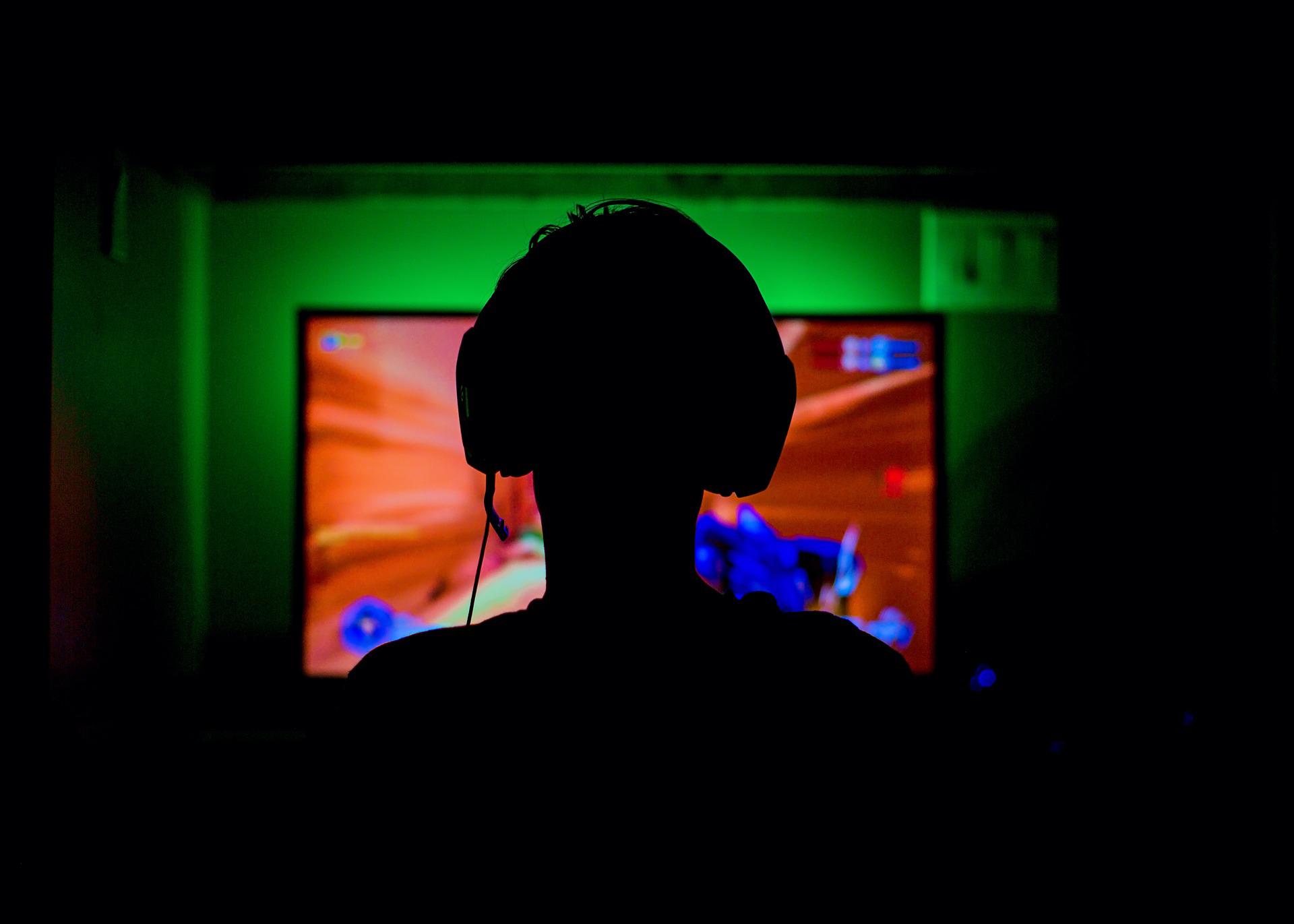
computer-gb8f2e150a_1920

Get Started 8 Steps to Becoming a Professional Gamer

We’ve put together this resource to help you become a professional gamer. Let’s jump right in.

For many gamers, becoming a professional gamer is a dream come true. You can earn money while having fun playing your favorite video games. As one might expect, esports tournaments aren’t as straightforward as one might think.

Try Several Games

It’s good to try out a few different games before committing to one as your entry into the Esports Hall of Fame. Professional tournaments currently feature the following game types:

Online slugfests involving multiple players. Professional players’ favorite games include Dota 2, League of Legends, Smite, and Heroes of the Storm.

FPS (first-person shooters). Of course, there are always the classics like Counter-Strike and Special Forces II. Tournaments are a thing in the world of third-person shooters.

Real-time strategy games like Warcraft III or Starcraft II.

Video games that feature violence. Games like Tekken, Street Fighter, and Killer Instinct use them, and they’ve been around since the early days of gaming competition.

Playing cards. The Arena of Magic: The Gathering.

Become a Better Player

To make it as a professional, you must be able to keep up with your peers. However, simply playing for the sake of playing isn’t sufficient. If you want to compete in the biggest esports events, you need to include strategy in your training.

However, there are a lot of resources available. For example, to improve your aim in FPS games, you can find tutorials online and learn the most popular and efficient techniques.

Also, keep an eye on online professional tournaments and jot down the tactics used by the top players. Another option is to watch other gamers as they play online.

Put Yourself to the Test

Professional tournaments can be extremely stressful, and your performance may suffer. This is why you need to get used to performing in front of an audience and under duress.

You can start small and stream your gaming sessions with a second PC if there are no tournaments for a while. Then, sign up for online competitions, and there is a chance that you will win a cash prize for participating in these competitions.

LAN tournaments are the next logical step. To give you a better idea of what it’s like to compete in a large, live tournament, we’ve put together a series of videos. To progress, you can begin by participating in local tournaments.

Invest in the Best Equipment Possible

No one can believe that you lost a game because of a malfunctioning mouse or keyboard, and this is why starting with high-end equipment is a good idea. Consider your needs before purchasing, as these peripherals can cost a significant amount of money.

Once you have your gear, make sure you use it consistently. Are you playing for fun or starting a five-hour training session? Use the same equipment. Muscle memory can be improved by familiarizing yourself with your equipment.

Organize Your Social Media Presence

You’ll run into better people than you in tournaments or when researching the best strategies. Try to know them and talk about their game strategy, training methods, or mental preparation for matches.

You can even organize tournaments and invite high-ranking players to participate. Learn about their strategy in real-time by using Discord or a similar app. Having connections with players who have already leaped the professional ranks can wonder about your future career prospects. You may be referred to other teams or sponsors for private sessions or invitations to special events.

Don’t Be a Noob.

As a professional gamer, you put in a lot of time and effort, so you need to take care of your body, mind, and spirit. If you want to work for a long time, you need to have a healthy work-life balance.

Remember that you may be viewed as a celebrity, so be respectful and avoid bringing up sensitive topics. Even if you’re losing, keep a positive attitude because you could be banned if you show a bad mood.

2-New-Manga-Titles-People-Should-Check-Out

2 New Manga Titles People Should Check Out

It is a great time to be a manga enthusiast. There are a lot of manga right now that people love to read. Apart from that though, there doesn’t seem to be any end to new manga titles being created.

Let’s take a look at several new manga titles that people should check out now.

Versailles of the Dead


The first title we’ll be looking at is called Versailles of the Dead. This title is set in France and it is set in that weird time where people have those powdered wigs.

The first interesting twist to the series is the zombies around. The series does follow the French Revolution and what was happening within the courts. History buffs would note that Marie Antoinette was a big fixture in this event.

However, in this manga title, she dies in a zombie invasion. It is up to her brother Albert to take her place in the court and see what will happen.

Mirai


Next up, we have Mirai. This title is actually the latest film from acclaimed anime director Hayao Miyazaki.

The title is about a four-year old boy whose new baby sister has come into the world. Like every first born, this young boy feels anger because the parents are doting on the sister more.

However, something magical happens that plays a key part in the young boy’s life. His young sister comes back from the future – a much older woman – and talks to her brother and make things right between them.

It is a sweet, powerful, and moving tale, no matter if it is watched in anime or read as manga.

These are only a couple of new manga titles that manga enthusiasts should check out right now. Stay glued to Jornaicas as we cover the latest manga titles in the coming months. We hope you find a title that you will like.

3-Top-Slot-Machines-with-Japanese-Themes

3 Top Slot Machines with Japanese Themes

Gambling is a big thing in Japan, specifically pachinko and slot machines. In some cases, it gets to addiction levels, but when it comes to gambling, that slippery slope is present in any country of the globe.

Apart from that though, all over the world, Japanese culture is getting really big. It is slowly integrating into people’s lives through anime and manga.

Thus, it was inevitable for slot machines to be made with Japanese themes. These include anything in the country from places, eras, and even manga and anime. Let’s take a look at several slot machines with Japanese themes.

Ghost in the Shell


The first slot machine we’ll be looking at has the theme of Ghost in the Shell. Ghost in the Shell is a beloved anime. People love it for its philosophical outlook regarding the dualism of spirit and body, the neo futuristic landscape, and the action.

Now this beloved anime and manga is on a slot machine too, spreading more existential ideas with every reel turn.

This slot machine has five lines. With every spin of the reels, the jackpot gets bigger and bigger. It also has a sort of wild card image that if gotten, multiplies the win by 3. People can get free spins on this machine if they get three scatter symbols.

Japan-O-Rama


Next, we have Japan-O-Rama. This specific slot machine is set in ancient Japan but looks at it through a very modern lens. The simple graphics are easy to appreciate. The graphics are not that bad, with the traditional cute graphics and Japan-themed areas in tow.

There are even corresponding sound effects of course.

These simple graphics allow for people to concentrate more on the gameplay. It has 5 slot reels and as many as 20 paylines. The wild symbols that appear around can multiply bonuses and autoplay can be enabled.

Nine-Tailed Ninja

The final one we have is Nine-Tailed Ninja. While not really any manga, the Nine-Tailed Ninja is a clear reference (and rip off) of the Naruto series. In it, a ninja Naruto holds the nine-tailed fox inside him and must stave off enemies to save his ninja village. But if you want to get the true, authentic Ninja experience then we suggest to try out Ninja Casino.

This one is an interesting slot machine as it is seasonal. Different seasons have different bonuses attached to it.

These are only a few slot machines with Japanese themes. As the popularity of slot machines grows, watch out for more similar slot machines.